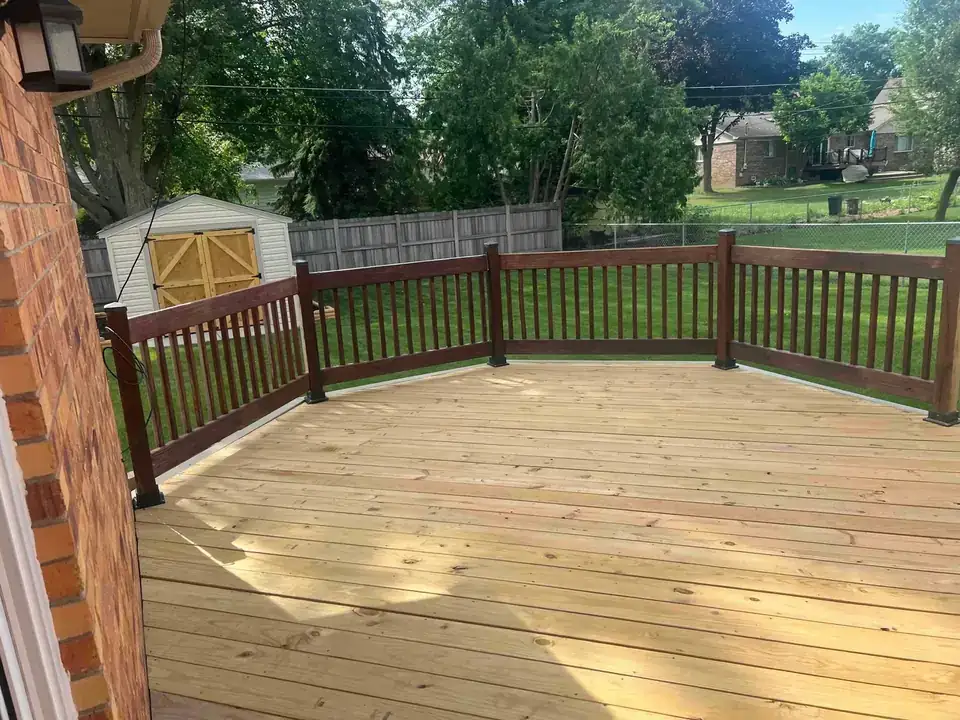

A kitchen wall comes down, a basement layout changes, or a new deck is planned - and the project quickly becomes more than a cosmetic update. Structural framing, electrical work, permits, inspections, scheduling, and jobsite safety can all become part of the picture. That is why hire licensed builders is a question worth asking before accepting a low bid or allowing work to begin.
For substantial home improvements, the contractor you choose affects more than the finished appearance. A licensed builder provides a formal level of accountability for the work, helps organize the required steps, and understands how to move a project from planning through completion. For homeowners making a serious investment in their property, that foundation matters.
Why Hire Licensed Builders for Major Home Work?
Licensed builders are qualified to take responsibility for construction work within the scope of their licensing and local requirements. While the details of every project differ, licensing shows that a contractor has met state standards to operate as a residential builder or contractor. It also gives homeowners a clearer path for verifying credentials before they commit.
This becomes especially important when a project involves more than one trade. A whole-home renovation may require demolition, framing, insulation, plumbing, electrical work, drywall, finish carpentry, and final inspections. A custom home build adds site coordination, structural planning, scheduling, and a long list of decisions that must be completed in the right order.
Hiring a licensed builder does not eliminate every construction challenge. Weather can affect exterior work, material availability can change a schedule, and older homes sometimes reveal hidden conditions after walls or floors are opened. What it does provide is a qualified contractor with an obligation to manage the work professionally, communicate the path forward, and address issues through an established business.
Licensing Supports Code-Conscious Construction
Building codes exist to protect the health, safety, and long-term performance of a home. They influence how stairs are built, how framing supports loads, where smoke alarms are placed, how basement bedrooms are finished, and how decks connect to a house. These details are not always visible once the project is complete, but they affect how safely the space performs for years.
A licensed builder is familiar with working within code requirements and coordinating construction around inspections. In communities throughout Oakland and Macomb counties, local rules, permit processes, and inspection expectations can vary. A contractor who regularly handles permitted residential work knows that code compliance is not an afterthought to address when the inspector arrives. It should be considered during planning, estimating, and construction.
This is particularly valuable for structural changes. Removing a wall, opening a floor plan, altering roof framing, or finishing a basement may require more than general labor. The work needs to account for load paths, proper support, material specifications, and permit requirements. A licensed builder can evaluate the scope and coordinate the appropriate work instead of treating a structural concern like a simple demolition task.
Permits Are Part of Protecting the Property
Some homeowners see permits as a delay or an unnecessary expense. In reality, permits are often a practical safeguard for projects that change a home's structure, systems, or use of space. They create a documented process for work that may affect future safety, resale, insurance questions, or buyer confidence.
The exact permit requirements depend on the municipality and the project. A simple interior update may need little beyond basic planning, while an addition, major renovation, deck, basement remodel, or structural modification may require formal approvals and inspections. A qualified builder can help determine what applies and organize the work around the required stages.
Skipping permits can create problems that surface later. An unpermitted finished basement can complicate a sale. Improperly built exterior stairs or deck connections can create safety concerns. Work that must be opened or corrected after the fact is rarely less expensive than doing it properly from the start.
Permit support also helps keep project decisions realistic. If a homeowner wants to add a bathroom in a basement or convert an unfinished area into living space, the builder can discuss what the project needs before finishes are selected and money is spent. That early clarity helps avoid designing around assumptions that cannot be approved or built as intended.
Insurance Matters When Work Happens at Your Home
Construction carries real risk. Workers may be on ladders, materials may be delivered to the driveway, and demolition can expose unforeseen conditions. A contractor's insurance is a core protection for both the business and the homeowner.
Before hiring, homeowners should ask for proof of current insurance and confirm that the contractor is properly licensed for the type of work proposed. General liability coverage and workers' compensation coverage are not interchangeable, and the right requirements may depend on the contractor's workforce and project scope. A professional builder should be prepared to discuss coverage clearly rather than treating the question as an inconvenience.
Hiring an uninsured contractor to save money can create a costly exposure if property is damaged or someone is injured during the work. It can also signal a broader lack of business discipline. A home renovation is not the place to rely on vague assurances or verbal promises.
One Builder Creates Better Coordination
Large projects can lose momentum when homeowners have to coordinate separate demolition crews, framers, finish carpenters, painters, and specialty trades on their own. Each contractor may be capable in isolation, but no one is necessarily responsible for the sequence, quality of handoffs, or complete result.
A licensed builder who manages the project provides a central point of accountability. That includes scheduling trades, coordinating materials, monitoring progress, addressing field conditions, and keeping the work moving toward completion. For a homeowner, this reduces the burden of becoming an unpaid construction manager while trying to make decisions about their own home.
This approach is especially useful when a project crosses categories. A basement remodel may start with demolition and framing, then require electrical, plumbing, insulation, drywall, flooring, trim, and paint. A deck project may involve site preparation, framing, footings, railings, stairs, and connections to the home. The best outcome depends on how those pieces work together, not simply whether each task is completed separately.
Christian Wylie LLC approaches residential construction with that end-to-end responsibility in mind, from structural work and permitting support through renovation details and final completion.
A License Is a Starting Point, Not the Only Standard
Homeowners should not assume that every licensed contractor delivers the same quality, communication, or project management. Licensing is essential, but it is one part of a sound hiring decision. Review the contractor's experience with work similar to yours, ask how changes will be handled, and make sure the scope is clear before construction begins.
A thoughtful estimate should identify what is included, what may be excluded, and where allowances or unknown conditions could affect cost. Older homes, for example, may conceal water damage, outdated wiring, uneven framing, or previous work that does not meet current expectations. A reliable builder explains these possibilities without using them as an excuse for an unclear proposal.
When comparing contractors, look beyond the bottom-line price. Consider these practical questions:
- Is the contractor properly licensed and insured for the proposed work?
- Do they regularly manage permits and inspections when required?
- Is the written scope detailed enough to understand the planned work?
- Who will coordinate trades, materials, schedule changes, and site communication?
- Does the contractor have relevant experience with structural work, renovations, or new construction?
The lowest estimate can become expensive if it omits permit coordination, necessary preparation, proper materials, or project management. A higher initial price may reflect a more complete scope and a contractor equipped to take responsibility for the full job.
Choosing the Right Fit for Your Project
Not every task requires the same level of builder involvement. A small paint job or a simple fixture replacement may be appropriate for a specialized service provider. But when work affects structure, layout, safety systems, exterior connections, or multiple trades, hiring a licensed builder is usually the more responsible choice.
The right contractor should be able to discuss the project in practical terms: what needs to happen first, where permits may apply, what decisions are needed from the homeowner, and what conditions could change the scope. That conversation should make the project feel more organized, not more confusing.
Before work begins, take time to verify credentials, review the written plan, and ask direct questions about permits, insurance, scheduling, and communication. A well-chosen licensed builder gives your project more than skilled labor. They give you a responsible partner for turning a major home investment into work that is built to last.