
A framed wall, new deck footing, or basement electrical run can look ready for the next phase of work. But if the required inspection has not been completed, construction may need to stop. Homeowners often ask who schedules building inspections because permit paperwork can make a straightforward renovation feel more complicated than it should be.
For most professionally managed residential projects, the contractor schedules inspections with the local building department. That is especially true when the contractor pulls the permit and manages the work. However, the permit holder is generally responsible for making sure required inspections occur, and responsibilities can change when a homeowner pulls their own permit, hires separate trades, or works in a municipality with different procedures.
Who Schedules Building Inspections on a Renovation?
The short answer is: usually the contractor or permit holder. The more useful answer is that inspection scheduling should be clearly assigned before work begins.
A licensed contractor managing a kitchen renovation, structural framing repair, basement finish, addition, deck, or custom home build will typically coordinate the permit process and schedule inspections at the proper stages. The contractor knows when footings are ready, when framing is complete, and when plumbing, electrical, or mechanical work must be inspected before walls or ceilings are closed.
This approach keeps the project moving. It also reduces the risk of covering work that needs to remain visible for an inspector. On a well-managed project, the homeowner does not have to track rough-in inspections, call the building department each morning, or determine whether insulation can be installed yet.
That said, the permit card and local records matter. If the homeowner is listed as the permit applicant or owner-builder, the municipality may treat the homeowner as the party responsible for scheduling and passing inspections, even if tradespeople are doing the work. A contractor can still help coordinate, but the homeowner should understand what they accepted when applying for the permit.
The Permit Holder Has the Primary Responsibility
A building permit is more than permission to start construction. It establishes who is accountable for following the approved plans, arranging inspections, correcting deficiencies, and obtaining final approval. In communities across Oakland and Macomb counties, the permit holder can schedule inspections by phone, online portal, or through the local building department's established process.
When a contractor pulls the permit, that contractor should explain the inspection process in the project agreement. Homeowners should know which permits are being obtained, who holds each permit, and whether the contractor will coordinate all required inspections.
Some projects require more than one permit. A basement remodel, for example, may involve building, electrical, plumbing, and mechanical permits. Each permit can have its own inspection sequence. The building contractor may coordinate the overall schedule, while licensed electrical, plumbing, and HVAC contractors schedule or attend inspections for their respective work.
The details vary by jurisdiction and scope. Birmingham, Grosse Pointe communities, Oakland and Macomb counties, Oakland County, Macomb County, and surrounding municipalities may use different departments, forms, lead times, and inspection windows. A reliable local contractor plans for those differences instead of treating inspections as an afterthought.
When the Homeowner May Need to Schedule Inspections
There are situations where the homeowner takes on a larger role. The most common is an owner-builder permit. This may happen when a homeowner applies directly for a permit, acts as the general contractor, or hires individual trades without one contractor managing the full project.
In that arrangement, the homeowner may need to schedule inspections, make sure the site is accessible, and communicate correction notices to the appropriate trade. This can work for a small, familiar project, but it adds real administrative responsibility to a major renovation.
A homeowner may also need to be involved when an inspector needs access to an occupied home and the contractor cannot be present. Someone must be available during the inspection window, provide access to the work area, and ensure pets are secured. Still, providing access is different from managing the inspection process. The contractor should normally tell the homeowner when the inspection is scheduled, what areas will be reviewed, and whether any disruption is expected.
Homeowners should be cautious about a contractor who asks them to pull a permit solely to avoid responsibility. There can be legitimate reasons for an owner to obtain a permit, but the arrangement should be transparent. If a contractor is directing the construction, the contract should clearly state who is responsible for permits, inspections, corrections, and final sign-off.
What Inspections Are Typically Required?
The inspection schedule depends on the project. Not every home improvement requires the same approvals, and a permit does not always mean only one final visit. Inspectors need to see key work before it is concealed or made difficult to verify.
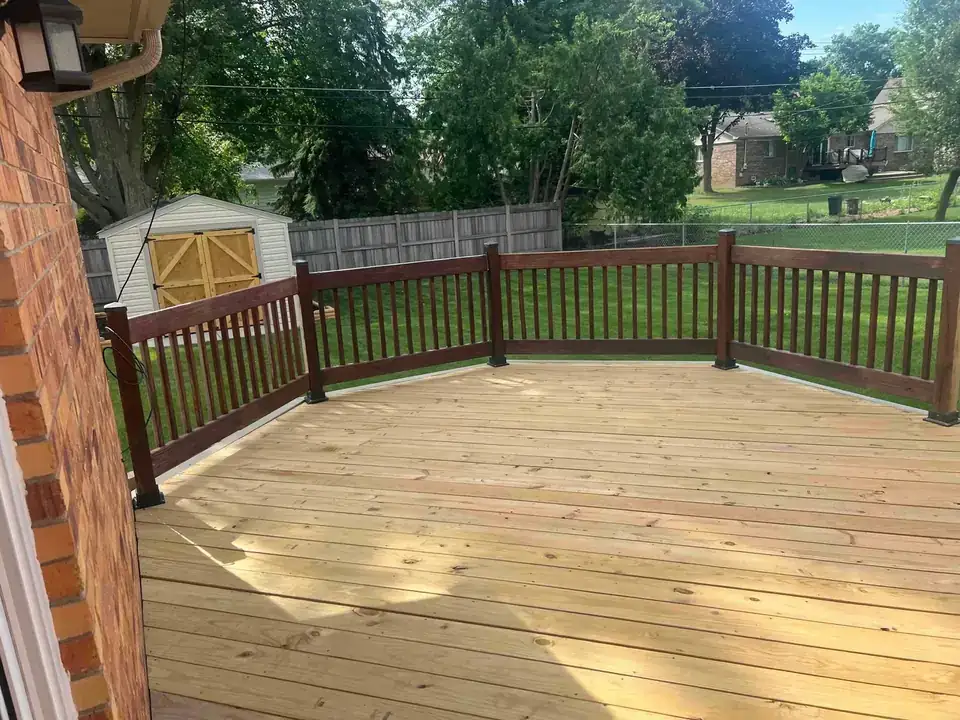
For structural work, inspections may occur after excavation and before concrete is placed, after foundation work, and after framing is complete. A new deck may require footing and framing inspections before the finished decking and railing system receive final approval. A large renovation or addition may also require insulation, energy-related, and final building inspections.
Trade permits often follow a rough-in and final sequence. Electrical inspectors generally need to see wiring, boxes, panel changes, and grounding before drywall covers the work. Plumbing inspectors may review supply, drain, waste, vent, and pressure-tested systems. Mechanical inspections can cover ductwork, venting, combustion-air provisions, equipment connections, and final operation.
On a comprehensive project, these inspections must be coordinated in the correct order. Rough plumbing, electrical, and HVAC work often need approval before insulation and drywall. Scheduling insulation too early can create delays. Scheduling an inspection too late can hold up the next trade and extend the time your home is under construction.
How Contractors Keep Inspections From Delaying the Project
Inspection scheduling is part of construction management, not a last-minute phone call. A capable contractor builds local inspection requirements into the project timeline from the beginning. That includes allowing for permit review, inspection lead times, weather delays, material availability, and the possibility of a reinspection.
Before requesting an inspection, the contractor should verify that the work is actually ready. Plans and permit documents should be on site when required. The work area should be safe and accessible, and the responsible trade should be prepared to answer technical questions if necessary.
Not every inspection passes on the first visit. A correction notice does not automatically mean poor workmanship or a failed project. Inspectors may identify missing documentation, a code detail that needs adjustment, or an item that was incomplete when they arrived. What matters is how quickly the issue is understood, corrected, and reinspected.
Homeowners should expect clear communication rather than silence. A contractor does not need to turn every inspection into a lengthy meeting, but should communicate meaningful schedule changes, correction items that affect the project, and the status of final approval.
Questions to Ask Before Construction Starts
Before signing a contract, ask who will pull the permits and who schedules building inspections. Ask whether permit fees are included, which permits are anticipated, and whether licensed subcontractors will obtain separate trade permits when necessary.
It is also reasonable to ask how the contractor handles a failed or incomplete inspection. The answer should be practical: identify the issue, make the correction, arrange reinspection, and keep the homeowner informed. Be wary of vague assurances that permits will be handled without any explanation of who is actually responsible.
For older homes throughout Oakland and Macomb counties, permit planning deserves particular attention. Renovations can uncover outdated wiring, altered framing, hidden water damage, or previous work that does not meet current standards. Those findings may affect scope and timing, but they are also why qualified oversight and formal inspections protect the value and safety of the home.
A substantial renovation should not leave homeowners guessing about permits or waiting to learn that work cannot proceed. When one contractor manages planning, permits, skilled trades, and inspections, the process is easier to follow and easier to hold accountable. Christian Wylie LLC approaches residential construction with that level of coordination, so homeowners can focus on the finished space rather than chasing inspection appointments.