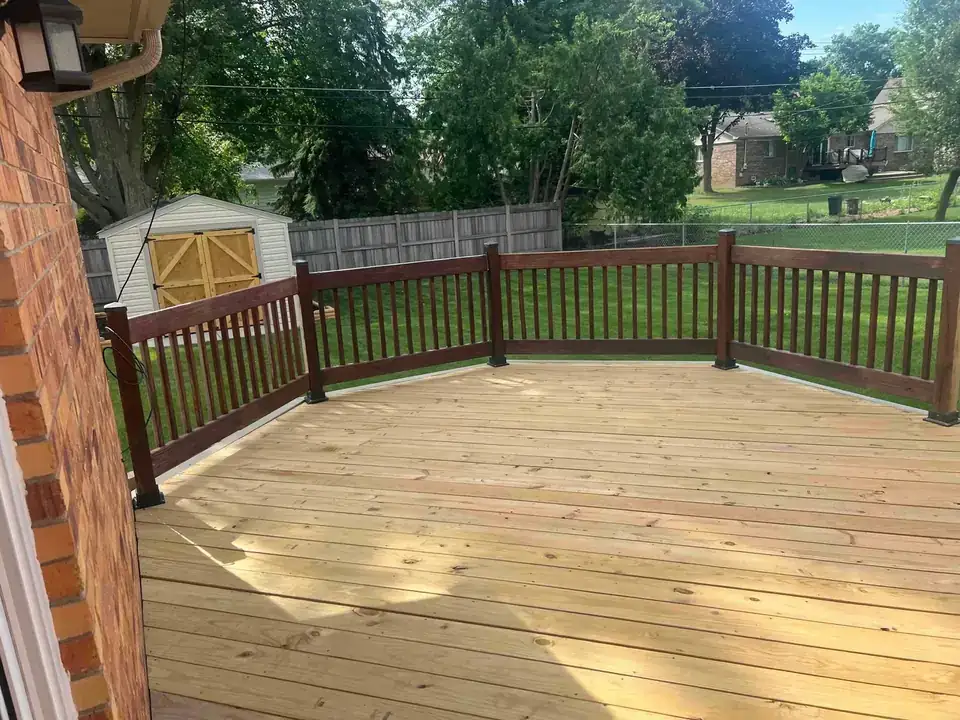

A home project can look straightforward on paper: add a basement suite, open a kitchen, build a deck, or start a custom home. Once walls come down or framing begins, however, every decision connects to another. Knowing how to choose a home builder means finding a contractor who can manage that connection - from planning and permits to skilled trades, inspections, and the finished details.
For homeowners across Oakland County, Macomb County, and the five Grosse Pointes, the right choice is rarely the lowest number on an estimate. It is the builder with the experience, coverage, communication habits, and project-management ability to take ownership of the work.
Start With the Scope, Not the Contractor Search
Before requesting estimates, define what you want to accomplish and how far the work may reach. A bathroom refresh and a full first-floor reconfiguration are not comparable projects, even if both begin with new finishes. Moving walls can affect framing, electrical, plumbing, heating and cooling, insulation, permits, and inspections.
Write down the must-haves, the nice-to-haves, and the problems the project needs to solve. For example, a basement remodel may need a legal egress solution, moisture management, a bathroom rough-in, and a layout that works for guests. A custom home may require site planning, foundation work, framing, trade coordination, and a clear sequence for hundreds of decisions.
This preparation helps you speak with builders about the real scope. It also makes estimates more useful because each contractor is pricing the same general project rather than making assumptions from a broad idea.
How to Choose a Home Builder With the Right Experience
A builder should have experience that fits the work you are asking them to perform. Look beyond surface-level photos. Ask whether the contractor has handled structural framing, demolition, permit coordination, and the specific type of renovation or build you have planned.
A builder who only handles finish work may not be equipped to manage a major addition, a load-bearing wall removal, or a ground-up custom home. On the other hand, a company focused solely on new construction may not understand the practical challenges of integrating new work into an older Birmingham, Grosse Pointe, Oakland County, or Macomb County home.
Ask direct questions about similar projects. What conditions did they encounter? How were changes handled? Which parts required permits or inspections? A capable builder should explain the process in clear terms without making every answer sound easy. Residential construction often has unknowns, particularly in older homes, and a trustworthy contractor will be honest about where costs or timelines can change.
Confirm Licensing, Insurance, and Permit Knowledge
Credentials are not paperwork to overlook. They are part of the protection around your property and your investment. Verify that the builder is properly licensed and insured for residential construction work. Ask for current documentation rather than relying only on a website statement or a verbal assurance.
Also ask who will handle permits. Many substantial projects require permits, including structural changes, major renovations, basement finishing, electrical or plumbing work, and new construction. Requirements vary by municipality, so local familiarity matters. A contractor working across Oakland and Macomb counties should understand that the permitting process in one community may not match the process in another.
The builder does not need to promise that permitting will be fast. Municipal review and inspection schedules are outside a contractor's complete control. What they should provide is a workable plan: what permits are expected, who submits them, what information is needed from you, and how inspections fit into the construction schedule.
Compare Estimates for Scope, Not Just Price
A low bid can be appealing, especially when a renovation already represents a major investment. But an estimate is only meaningful when you understand what it includes. Two prices that differ by thousands of dollars may reflect very different assumptions about demolition, materials, structural work, site protection, subcontractors, permits, and finish selections.
Review each proposal line by line. If one estimate includes framing, drywall, electrical, flooring, and final cleanup while another gives only a broad total, they are not equal comparisons. Ask what is excluded, which items are allowances, and what happens if existing conditions require additional work.
Allowances deserve particular attention. An allowance is a budget placeholder for a selection that has not been finalized, such as tile, cabinets, fixtures, or flooring. They are common and can be useful, but the amount needs to match the level of finish you expect. A modest fixture allowance will not cover premium selections.
Do not assume the most expensive bid is automatically better, either. The goal is a complete, understandable scope paired with a builder you trust to manage it. A detailed estimate gives both sides a clearer starting point and reduces avoidable disagreements later.
Evaluate Communication Before Work Begins
The early conversations often tell you how the construction process will feel. Does the builder return calls? Do they ask thoughtful questions about your home and goals? Can they explain their estimate without becoming evasive or dismissive?
Communication does not mean a builder can answer every question instantly from a jobsite. It means you know who your point of contact is, how updates will be delivered, and how decisions or changes will be documented. For a larger project, ask how often you can expect progress updates and who coordinates subcontractors and inspections.
Pay attention to whether the contractor listens. A builder should be willing to offer professional guidance when an idea creates a structural, budget, or code concern. At the same time, they should understand your priorities. The best working relationship is not based on a contractor saying yes to everything. It is based on practical advice, clear expectations, and mutual respect.
Ask How the Job Will Be Managed Day to Day
Homeowners often focus on design and final finishes, but jobsite management affects the entire experience. Ask who will supervise the work, whether the builder uses established trade partners, and how the schedule will be organized.
For an occupied home, discuss access, work hours, dust control, debris removal, material storage, and protection for finished areas. A kitchen renovation may require a temporary cooking plan. A basement project may affect laundry access or require careful separation from living spaces. Exterior work may need a plan for protecting landscaping and maintaining safe access.
There will be trade-offs. Moving out during a major whole-home renovation can reduce daily disruption, but it adds expense and coordination. Staying in the home may be more economical, but it requires patience and a realistic plan. A builder should help you understand these choices before demolition starts.
Review the Contract and Change Process
Never rely on a handshake for a substantial home project. The contract should identify the project scope, payment schedule, estimated timeline, responsibilities, materials or allowances, warranty terms, and how changes will be handled.
Changes are sometimes necessary. Hidden damage, outdated wiring, foundation conditions, product availability, or a homeowner's revised preference can all affect the work. The key is having a written change process. You should know the price and schedule impact before additional work moves forward whenever possible.
Be cautious if a contractor pressures you to sign immediately, requests an unusually large payment before work begins, or will not provide clear written terms. Construction requires flexibility, but it should not require confusion.
Check References With Useful Questions
References can help, but asking only whether a past client was happy may not reveal much. Ask about the contractor's reliability, jobsite cleanliness, communication, workmanship, and handling of unexpected issues. Find out whether the scope and costs were explained clearly and whether the client would hire the builder again.
If possible, review completed projects that resemble yours. Look at the quality of transitions, trim, tile, doors, exterior details, and overall finish. For structural or behind-the-wall work, references and documentation matter because the quality is not always visible after the project is complete.
Choose Accountability Over a Quick Promise
The right builder is not necessarily the one who promises the fastest completion date or agrees with every idea without questions. Choose the contractor who demonstrates ownership of the project: planning the work, coordinating trades, addressing permits, protecting the site, and communicating when conditions change.
For homeowners planning significant renovations, structural work, decks, basement remodeling, or custom home construction, Christian Wylie LLC provides licensed, insured residential building support across Oakland and Macomb counties. A clear conversation and a detailed free estimate are a practical place to begin. The best next step is to bring your goals, your questions, and as much information about the home as you have - then choose the builder who gives you clear answers before the work ever starts.