A hairline crack near a basement window can be easy to ignore. A widening crack that lets in water after a Michigan storm is different. Foundation cracks range from ordinary signs of concrete curing and seasonal movement to warnings that a home needs prompt structural attention. The right response starts with understanding the crack, the conditions around it, and whether the problem is changing.
For homeowners across Oakland County, Macomb County, and the five Grosse Pointes, foundation concerns deserve a careful look. Freeze-thaw cycles, clay-heavy soils, aging drainage systems, mature landscaping, and decades of home additions can all affect how a foundation performs. The goal is not to assume the worst from every crack. It is to identify the cases where an experienced contractor or structural professional should be involved before water damage, movement, or a renovation makes the repair more complicated.
Not All Foundation Cracks Mean the Same Thing
Concrete is strong under compression, but it can crack as it cures, settles, and responds to changes in soil moisture and temperature. Many homes develop small, stable cracks over time without suffering a structural failure. What matters is the crack's direction, width, location, age, and whether there are related signs elsewhere in the house.
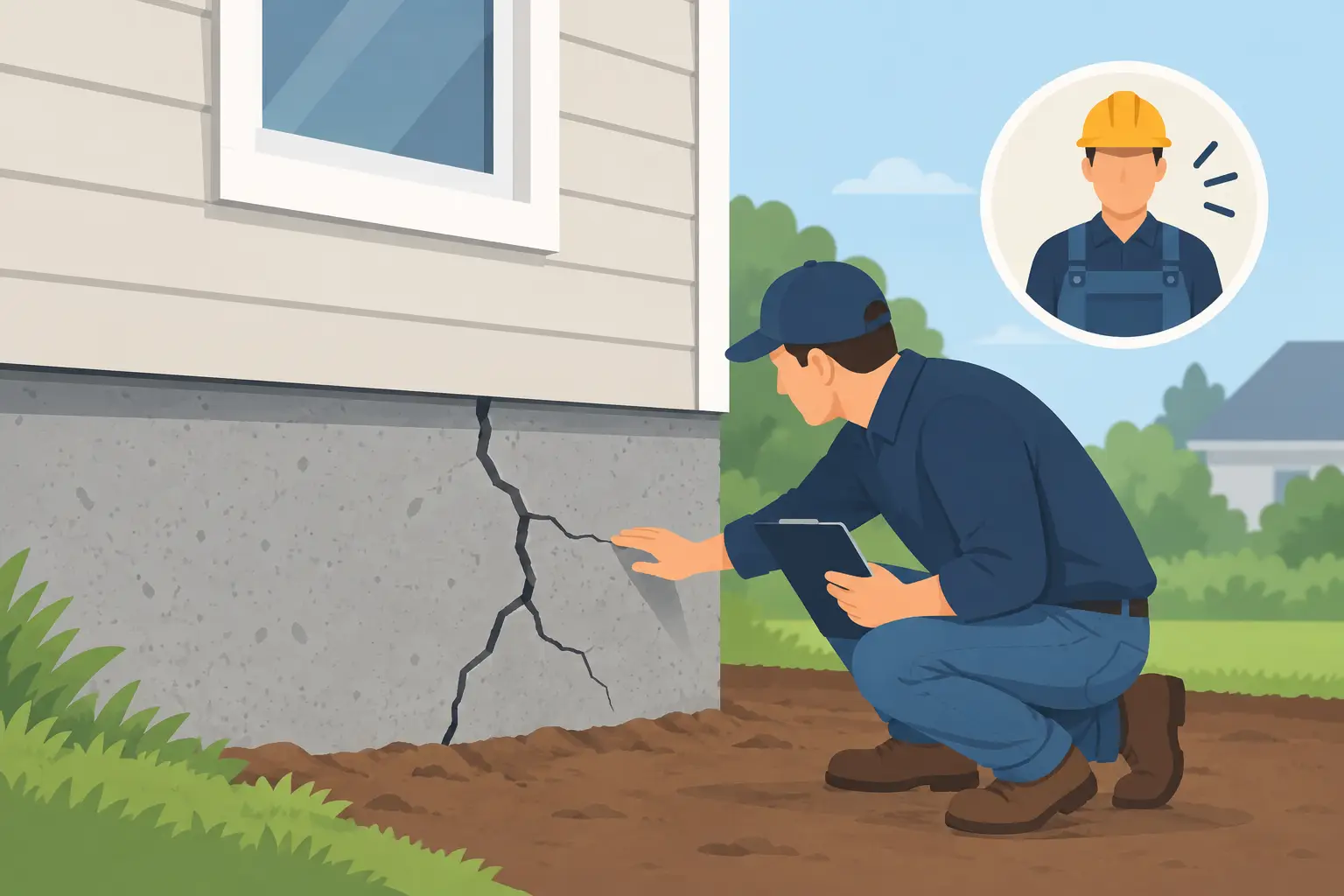
A thin vertical crack in a poured concrete basement wall is often associated with normal settling or shrinkage. It may still allow moisture into the basement, so it should be sealed or monitored, but it is not automatically evidence that the foundation is failing. In contrast, horizontal cracking, stair-step cracking in block walls, or a crack that grows noticeably over a short period can point to lateral soil pressure, uneven settlement, or movement that needs further evaluation.
A crack also has to be considered in context. A single fine crack in an otherwise dry, level basement is different from multiple cracks paired with sticking doors, sloping floors, standing water, or a bowed wall. Homeowners should avoid making decisions based on appearance alone, especially before finishing a basement or investing in a major renovation.
When Foundation Cracks Need Attention
Some conditions warrant a professional inspection sooner rather than later. Waiting can turn a manageable repair into a larger structural and water-management project.
Pay close attention when you see four or more of the following signs:
- Horizontal cracks, particularly in basement walls that appear to bow or lean inward.
- Stair-step cracks along mortar joints in a brick, block, or masonry foundation.
- Cracks wider than about one-quarter inch, or cracks that are widening, lengthening, or offset from one side to the other.
- Water entering through the crack, white mineral deposits on the wall, persistent dampness, or mold-related odors in the basement.
- New interior symptoms such as uneven floors, gaps around trim, cracked drywall, windows that no longer open properly, or doors that rub or will not latch.
Vertical cracks can become a concern as well when they are wide, displaced, leaking, or joined by other movement-related symptoms. A foundation should be evaluated as a system, not as one isolated line in the concrete.
Horizontal Cracks and Bowing Walls
Horizontal cracks are among the more serious foundation wall symptoms because they can indicate pressure from saturated soil outside the home. During wet periods, soil expands and water builds against the foundation. In winter, frost can add further force. Over time, that pressure can push a wall inward.
The repair approach depends on the extent of movement. It may involve improving exterior drainage, reinforcing the wall from inside, excavation and waterproofing, or a combination of measures. Covering the crack with paint or installing finished basement walls before the cause is addressed only hides the condition and can make future work more disruptive.
Stair-Step Cracks in Masonry
Homes with block or brick foundation walls may show a stepped pattern following mortar joints. Small, older cracks can be stable, but pronounced stair-step cracking can suggest differential settlement. That means one section of the foundation is moving differently from another.
A contractor should look at the complete picture: soil grading, downspout discharge, nearby trees, water history, floor levels, and signs of movement above the foundation. Repairs must address the source of movement as well as the visible masonry damage.
Water Management Is Often Part of the Answer
Water does not cause every foundation crack, but poor water management commonly makes existing problems worse. Gutters that overflow, downspouts that empty beside the house, negative grading, and failing drainage systems keep soil wet near the foundation. Wet soil is heavier, can exert more pressure on basement walls, and may expand or contract more dramatically through changing seasons.
Start with the practical exterior conditions. Gutters should be clean and functional. Downspouts should carry water well away from the foundation. Soil should generally slope away from the home rather than directing rainwater toward it. Low spots near the walls, leaking exterior faucets, and damaged driveway edges that route water toward the house should also be corrected.
These measures do not replace structural repair where it is needed. They do, however, protect the work and reduce the risk of recurring moisture problems. For an older Oakland and Macomb counties home, drainage improvements are frequently a necessary part of a complete repair plan.
What to Do Before You Finish a Basement
A basement remodel adds value and usable space, but it should not begin until foundation walls are dry, stable, and properly assessed. New framing, insulation, drywall, and flooring can conceal warning signs. If a wall needs reinforcement or waterproofing later, much of the newly completed work may need to be removed.
Before starting a basement project, inspect the exposed foundation carefully. Photograph cracks with a date and place a ruler beside larger cracks for scale. Note where water appears during rain or snowmelt. Check the condition of the sump system if the home has one, and look for moisture staining behind stored items or along the base of walls.
A qualified contractor can coordinate the right sequence of work: structural evaluation when needed, drainage or waterproofing improvements, repairs, permits where required, and then the remodel. That sequence matters. A finished basement should be built over a sound foundation, not used to disguise an unresolved issue.
Repair Options Depend on the Cause
There is no single repair for all foundation cracks. A narrow, stable vertical crack may be professionally sealed to stop water infiltration. A wall with inward movement may require reinforcement with carbon fiber straps, steel supports, or another engineered stabilization method. Settlement-related concerns may require further investigation into soil conditions, footing support, drainage, or nearby water sources.
The least expensive visible fix is not always the right one. Crack injection can be appropriate for certain leaking cracks, for example, but it will not correct active wall movement. Likewise, interior reinforcement may be an effective solution for a bowed wall in some situations, while severe damage or exterior access needs may call for a more extensive repair.
Homeowners should expect a responsible assessment to distinguish between cosmetic repair, moisture control, and structural correction. If a contractor recommends major work, ask what condition is causing the crack, what evidence supports the recommendation, and how the proposed repair addresses both the wall and water around the home.
Why Permits and Project Coordination Matter
Foundation repairs can affect structural components, drainage, finished spaces, and sometimes utility access. Depending on the scope and local requirements, permits and inspections may be part of the process. This is particularly relevant when work is paired with basement finishing, structural framing, excavation, or significant alterations to the home.
A contractor with broad residential construction experience can help prevent disconnected decisions. The team addressing a foundation wall should understand how the repair affects insulation, framing, electrical work, future basement finishes, exterior grading, and code requirements. That coordination is valuable when a home needs more than a quick patch.
Christian Wylie LLC approaches substantial residential work with that larger project view, coordinating structural, renovation, and permit-related considerations so homeowners can plan the next step with greater confidence.
Monitor Small Cracks, Act on Changing Conditions
If a crack appears minor and there are no other warning signs, monitoring may be reasonable. Take clear photos, measure the width, and check it after heavy rain, spring thaw, and seasonal changes. Do not rely on memory alone. A documented change is much more useful when discussing the condition with a contractor or engineer.
If water is entering, a wall is bowing, or interior symptoms are appearing, schedule an assessment rather than waiting for the next renovation. Addressing foundation concerns early gives you more repair options and helps protect the home improvements you plan to make next.